
History of Software Patents

IN RE SARADA MOHAPATRA, FEDERAL CIRCUIT 2021 (SOFTWARE PATENTS)

Enabling a credit card user to change the security code on the card by using a web application, to counter credit card fraud, is too abstract to be patent-eligible.

Mr. Mohapatra’s patent application is directed to a method for countering credit card fraud by enabling a cardholder to change the card’s security code at any time by using a card account management facility accessible over the Internet. The claimed method provides that the new security code will be different from the code printed on the card and different from the last recorded code.

Claim 18 of the application, which is representative, recites the following:

18. A method for countering credit card fraud arising from compromised credit card information
by utilizing cardholder changeable card security code (CSC; also known as card verification…
Read More
SIMIO, LLC V FLEXSIM SOFTWARE PRODUCTS, INC, FEDERAL CIRCUIT 2020 (SOFTWARE PATENTS)

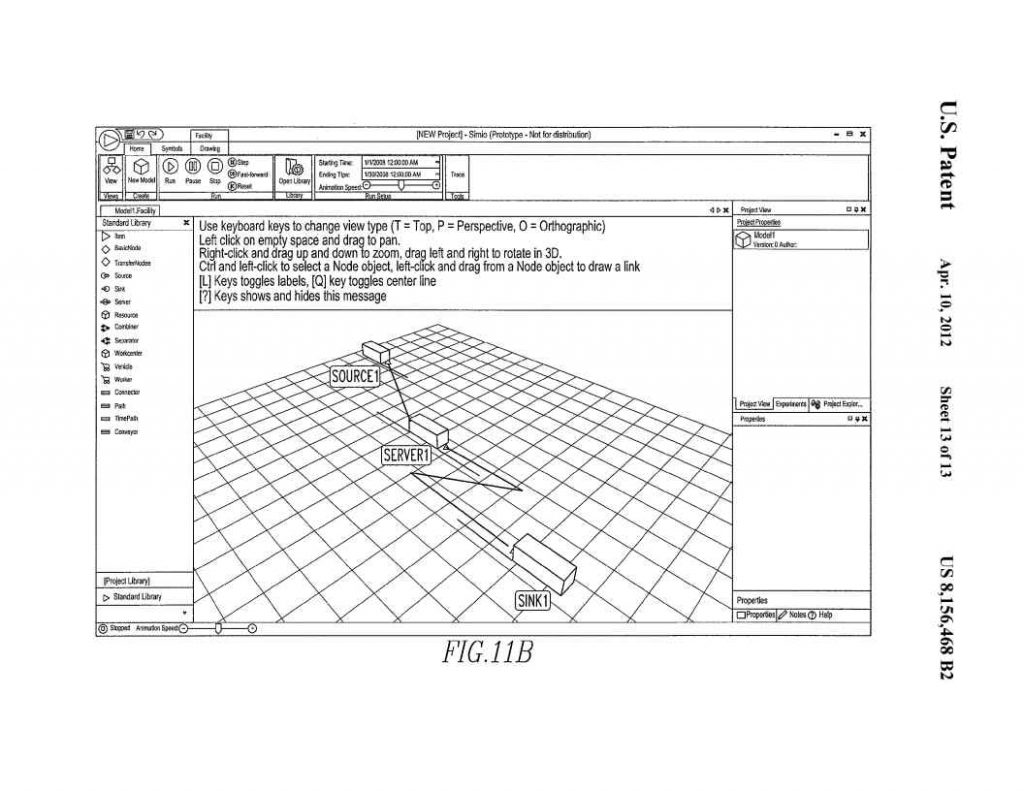
According to the Federal Circuit, simply applying the already-widespread practice of using graphics instead of programming to the environment of object-oriented simulations is no more than an abstract idea.

Simio, LLC sued FlexSim in District Court for infringing U.S. Patent No. 8,156,468. The district court found the patent to be ineligible for patenting under 35 U.S.C. § 101. Simio appealed.

The patent also describes a trend that emerged in the 1980s and 1990s: using graphics to simplify building simulations. The patent’s purported invention concerns making object-oriented simulation easier and more accessible by letting users build simulations with graphics instead of programming.

Claim 1 is the only independent claim and recites:

A computer-based system for developing simulation models on a physical computing device, the…

Read More
TECSEC V ADOBE, SAP, CISCO, SYBASE, SOFTWARE AG, ORACLE, FEDERAL CIRCUIT 2020 (SOFTWARE PATENTS)

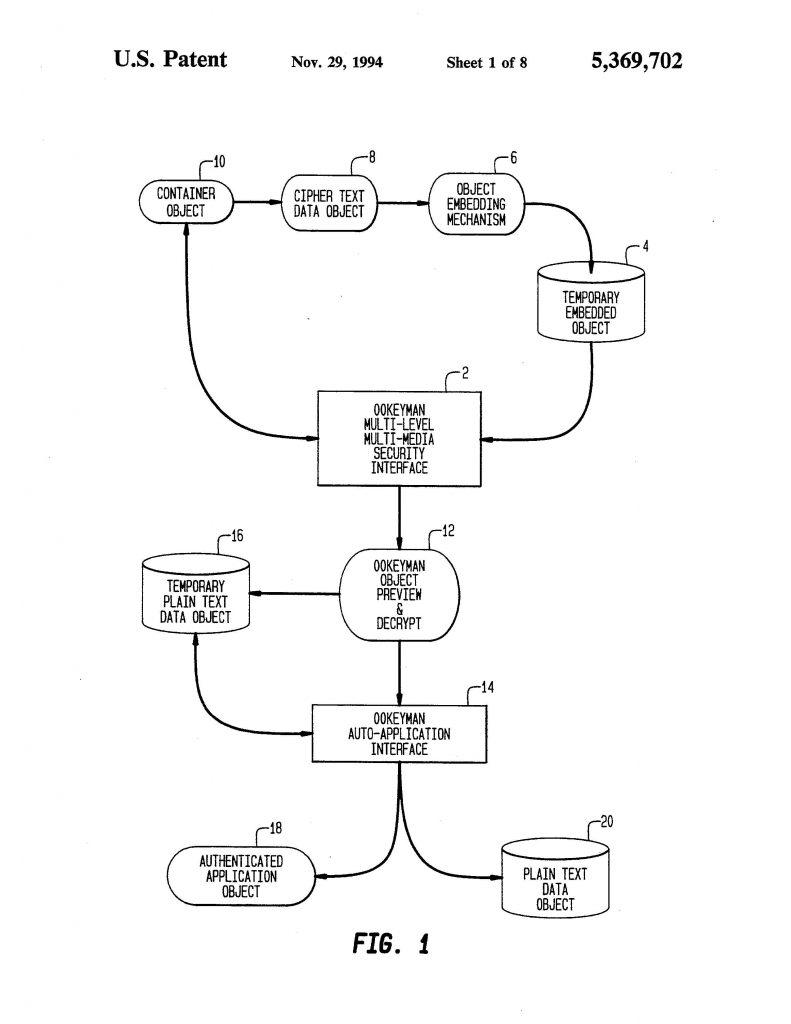
Multilevel security claims were patent eligible because they were directed to solving a technical problem specific to computer network security. The district court correctly rejected Adobe’s ineligibility challenge.
TecSec owns U.S. Patent Nos. 5,369,702, 5,680,452, 5,717,755, and 5,898,781, the patents involved in this case. The patents are entitled “Distributed Cryptographic Object Method” (“DCOM”) and claim particular systems and methods for multi-level security of various kinds of files being transmitted in a data network. The DCOM patents describe a method in which a digital object—e.g., a document, video, or spreadsheet—is assigned a level of security that corresponds to a certain combination of access controls and encryption. The encrypted object can then be embedded or “nested” within a “container object,” which,…

Read More
PACKET INTELLIGENCE LLC V NETSCOUT SYSTEMS, INC (FORMERLY TEKTRONIX), FEDERAL CIRCUIT 2020 (SOFTWARE PATENTS)

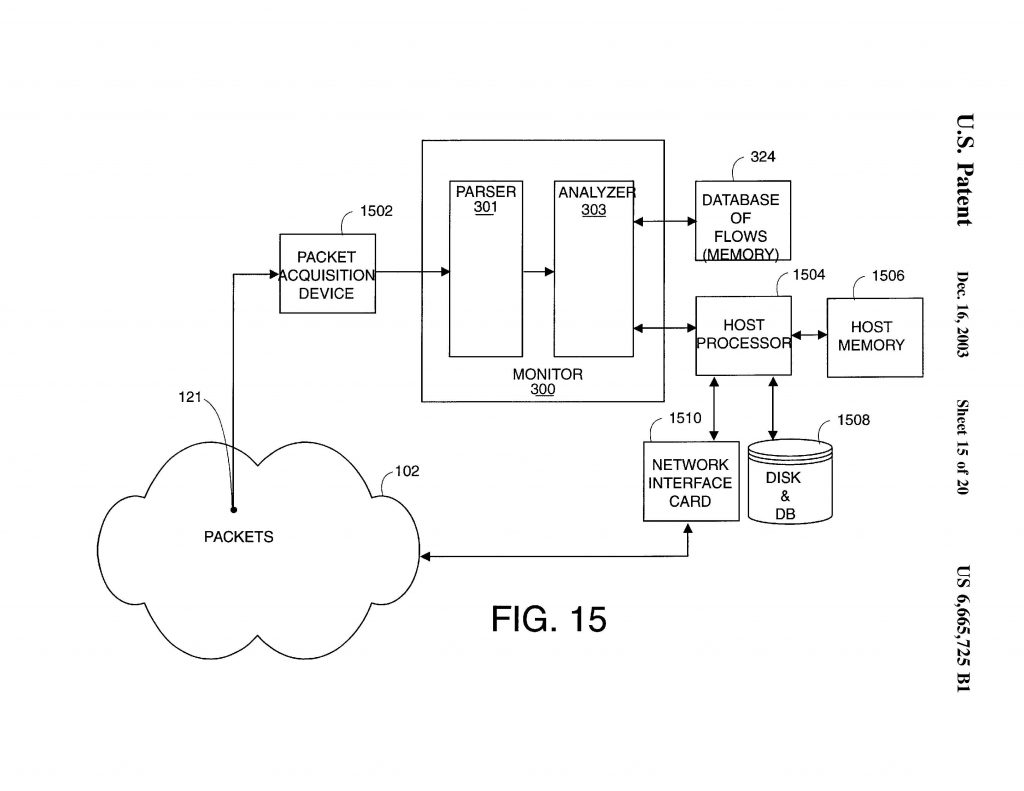
NetScout Systems appealed from a judgment of the U.S. District Court for the Eastern District of Texas which held that NetScout willfully infringed various claims of U.S. Patent No. 6,665,725; 6,839,751; and 6,954,789 and held that the claims were valid under 35 U.S.C. §101.
The patents disclose a method for monitoring packets ex-changed over a computer network. A stream of packets between two computers is called a connection flow. Monitoring connection flows cannot account for disjointed sequences of the same flow in a network.  The specifications explain that it is more useful to identify and classify “conversational flows,” defined as “the sequence of packets that are ex-changed in any direction as a result of an activity.” Conversational flows provide application-specific…

Read More
ELECTRONIC COMMUNICATION TECHNOLOGIES V SHOPPERSCHOICE.COM, FEDERAL CIRCUIT 2020 (SOFTWARE PATENTS)

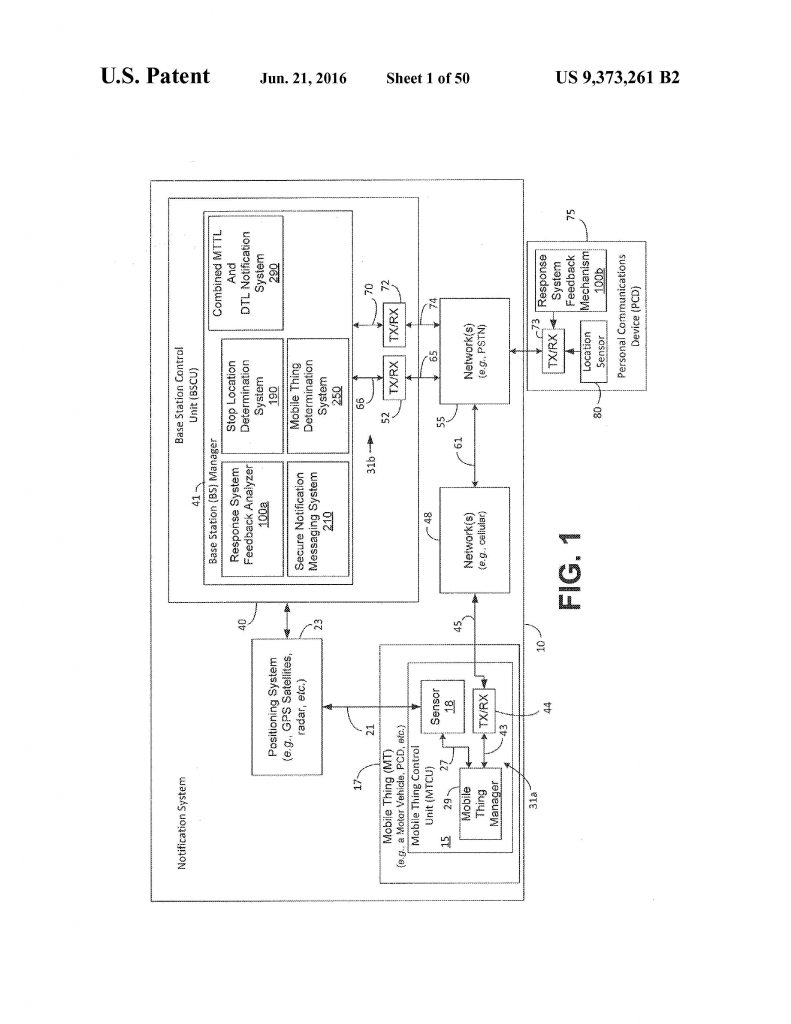
Electronic Communication Technologies, LLC sued ShoppersChoice.com, LLC (“ShoppersChoice”), alleging that ShoppersChoice infringed claim 11 of U.S. Patent No. 9,373,261. The district court granted ShoppersChoice’s motion for judgment on the pleadings that claim 11 was invalid under 35 U.S.C. § 101.
The ’261 patent is titled “Secure Notification Messaging with User Option to Communicate with Delivery or Pickup Representative.” ’Claim 11 re-cites:

An automated notification system, comprising:

  • one or more transceivers designed to communicate data; one or more memories;one or more processors; and
  • computer program code stored in the one or more memories and executed by the one or more processors, the computer program code comprising:
  • code that enables a first party associated with a personal communication device (PCD) to input or…
Read More
CISCO SYSTEMS v UNILOC, FEDERAL CIRCUIT 2020 (SOFTWARE PATENTS)

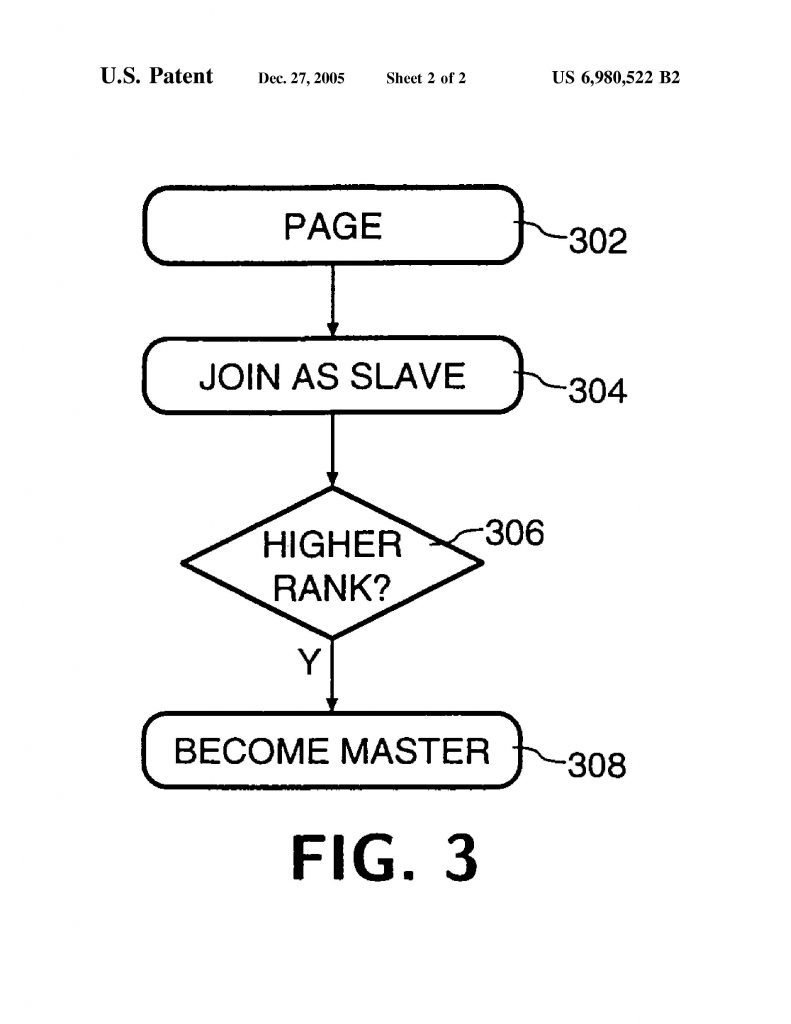
Uniloc (Uniloc 2017 LLC) appealed from a decision of the Northern District of California holding claim 6 of U.S. Patent No. 6,980,522 ineligible under 35 U.S.C. § 101.

The patent relates to a radio communication system comprising a plurality of stations capable of forming an ad-hoc network. Each station within the network is capable of acting as either a master or a slave. The specification explains that one aspect of the invention is a method of operating the system which includes ranking each of the stations based on its suitability to act as a master “and arranging for the role of master to be taken by the station having the highest rank.”

Claim 6 covers that embodiment and recites:

  1. A…
Read More
ERICSSON V TCL, FEDERAL CIRCUIT 2020 (SOFTWARE PATENTS)

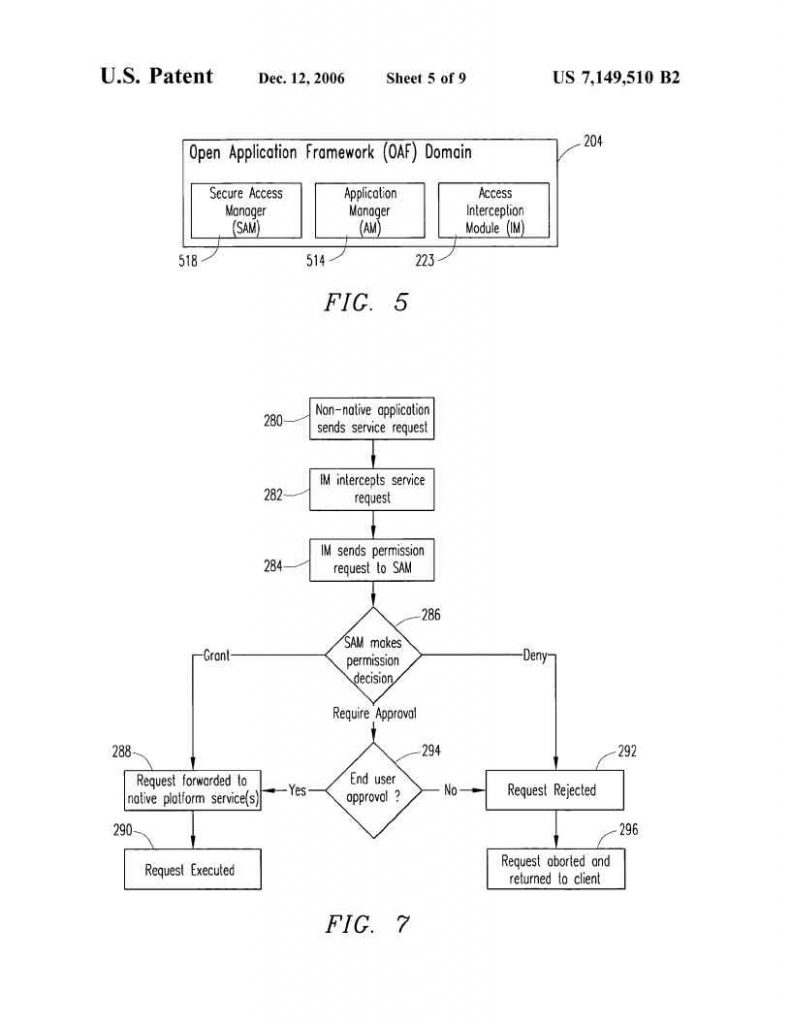
This case involves U.S. Patent No. 7,149,510 relating to securing mobile phones against improper access by apps.
Claim 1 recites:

1. A system for controlling access to a platform, the system comprising:

  • a platform having a software services component and an interface component, the interface component having at least one interface for providing access to the software services component for enabling application domain software to be installed, loaded, and run in the platform;
  • an access controller for controlling access to the software services component by a requesting application domain software via the at least one interface, the access controller comprising:
  • an interception module for receiving a request from the requesting application domain software to access the software services component;
  •  and a…
Read More
UNILOC V LG ELECTRONICS, FEDERAL CIRCUIT 2020 (SOFTWARE PATENTS)

Uniloc sued LG Electronics in the United States District Court for the Northern District of California, alleging infringement of U.S. Patent No. 6,993,049. LG moved to dismiss Uniloc’s Complaint, arguing the claims of the ’049 patent are ineligible under 35 U.S.C. §101. The lower court granted LG’s motion, determining that the asserted claims are directed to an abstract idea and do not recite an inventive concept.

The ’049 patent is directed to a communication system comprising a primary station (e.g., a base station) and at least one secondary station (e.g., a computer mouse or keyboard). In conventional systems, such as Bluetooth networks, two devices that share a common communication channel form ad hoc networks known as “piconets.” Joining…

Read More
BOZEMAN FINANCIAL LLC V FEDERAL RESERVE BANK, FEDERAL CIRCUIT 2020 (SOFTWARE PATENTS)

Bozeman Financial LLC appealed from a decision of the U.S. Patent and Trademark Office’s Patent Trial and Appeal Board holding all of the claims of U.S. Patent Nos. 6,754,640 and 8,768,840 ineligible under 35 U.S.C. §101.

Claim 1 of the ’840 patent is representative:

1. A computer implemented method for detecting fraud in financial transactions during a payment clearing process, said method comprising:

  • receiving through one of a payer bank and a third party, a first record of an electronic financial transaction from at least one of the following group: a payer, a point-of-sale terminal, an online account and a portable electronic device;
  • storing in a database accessible by each party to said payment clearing process of said electronic financial transaction, said first record of said electronic financial transaction,…
Read More
CUSTOMEDIA TECHNOLOGIES, LLC V DISH NETWORK, FEDERAL CIRCUIT 2020 (SOFTWARE PATENTS)

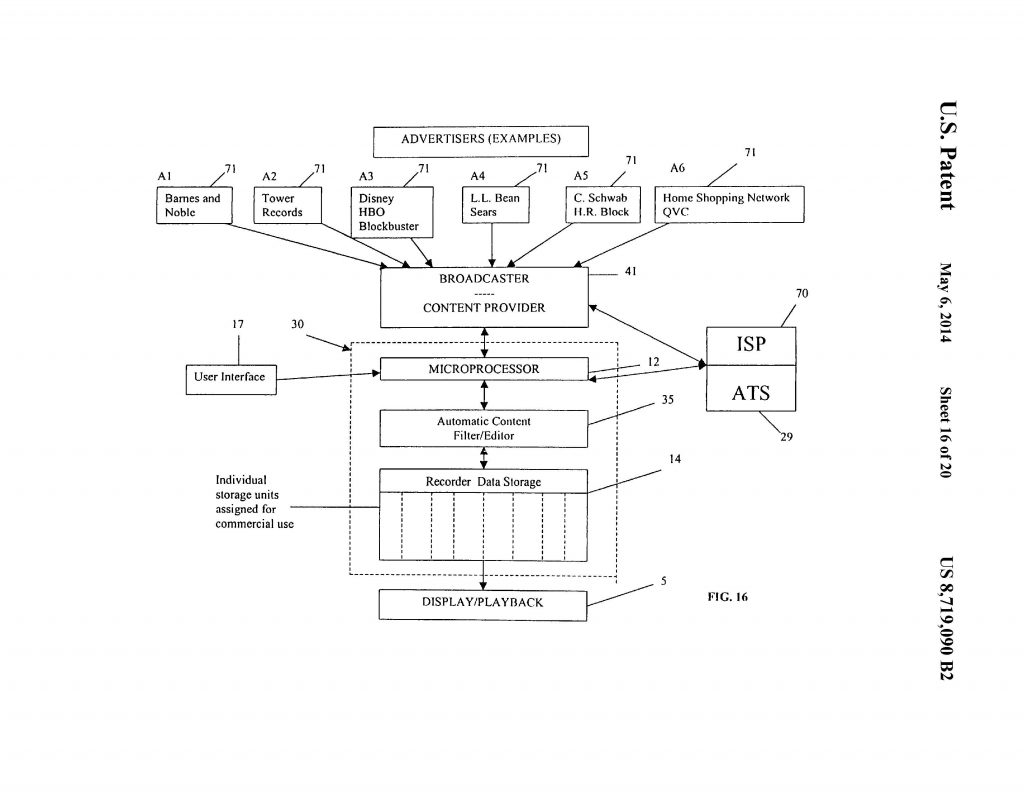
Customedia appealed a decision by the U.S. Patent and Trademark Office holding claims of U.S. Patent No. 8,719,090 and 9,053,494 ineligible under 35 U.S.C. § 101.

The patents both relate to a cable TV set-top box.  A cable distributor may provide customers with a cable set-top box with built-in storage sections that may be leased or sold to advertisers.

Claim 1 of U.S. Patent No. 8,719,090 is representative and recites:

1 A data delivery system for providing automatic delivery of multimedia data products from one or more multimedia data product providers, the system comprising:

  • a remote account transaction server for providing multimedia data products to an end user, at least one of the multimedia data products being specifically identified advertising data; and
Read More