
History of Software Patents

American Axle & Manufacturing Inc. v. Neapco Holdings, FEDERAL CIRCUIT 2019 (LAWS OF NATURE)
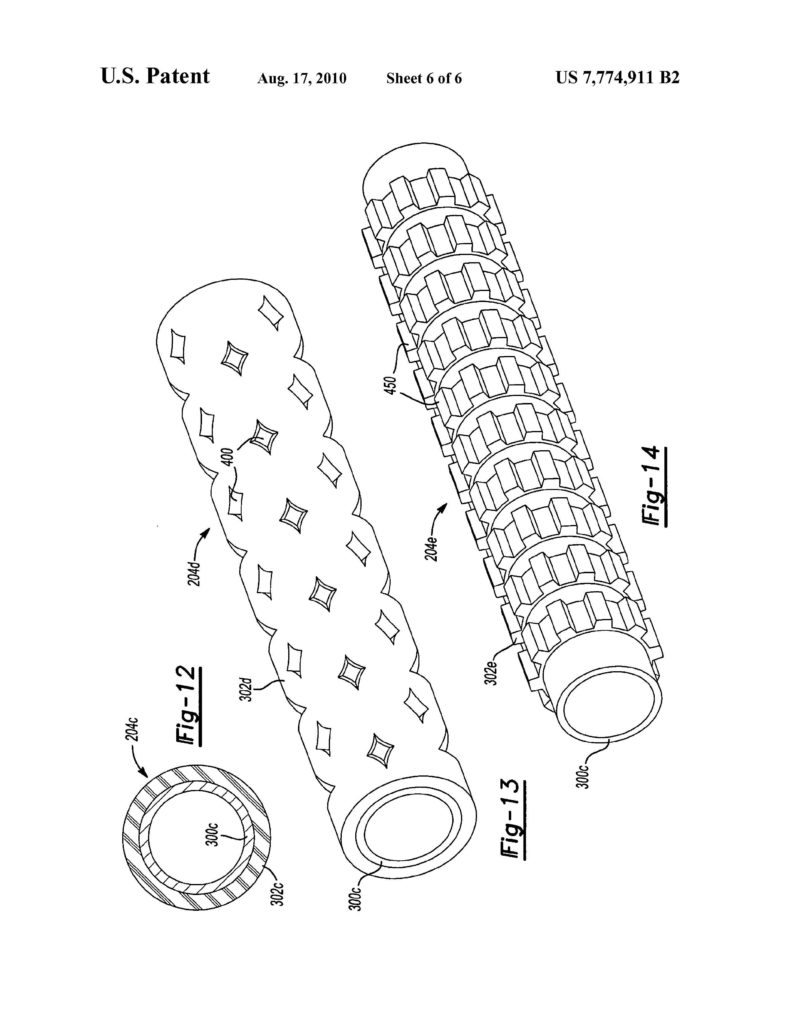
Even patent applications covering mechanical inventions can be invalidated using the same Alice Corp. v CLS case law used to invalidate software patents.

American Axle & Manufacturing, Inc. sued Neapco alleging infringement of U.S. Patent No. 7,774,911.

The patent generally relates to a method for manufacturing driveline propeller shafts with liners that are designed to attenuate vibrations transmitted through a shaft assembly.

Bending mode vibration is a phenomenon wherein energy is transmitted longitudinally along the shaft and causes the shaft to bend at one or more locations. Torsion mode vibration is a phenomenon wherein energy is transmitted tangentially through the shaft and causes the shaft to twist. Shell mode vibration is a phenomenon wherein as standing wave is transmitted circumferentially about…
Read More
SOLUTRAN, INC. v ELAVON, INC., FEDERAL CIRCUIT 2019 (SOFTWARE PATENTS)

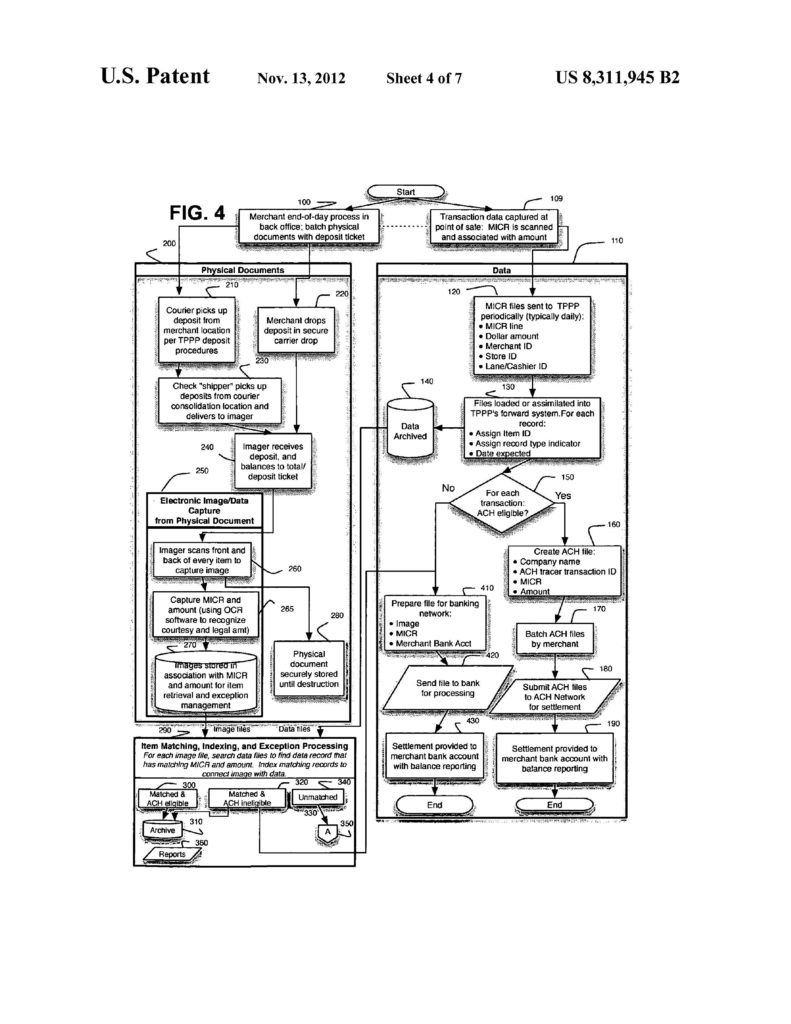
This decision involves U.S. Patent No. 8,311,945, assigned to Solutran, Inc.
The patent explains that in the past, the payee would transport the check to his or her own bank to be read and processed, then the payee’s bank would transport the check to the payor’s bank,where it also would be read and processed. At this point, the payor’s bank would debit the payor’s account and transfer the money to the payee’s bank, which would credit the payee’s account.

The digital age ushered in a faster approach to processing checks, where the transaction information—e.g., amount of the transaction, routing and account number—on the check is turned into a digital file at the merchant’s point of sale (POS) terminal.

The digital check information…

Read More
TRADING TECHNOLOGIES INTERNATIONAL, INC. v. IBG LLC, INTERACTIVE BROKERS, LLC, FEDERAL CIRCUIT 2019 (SOFTWARE PATENTS)

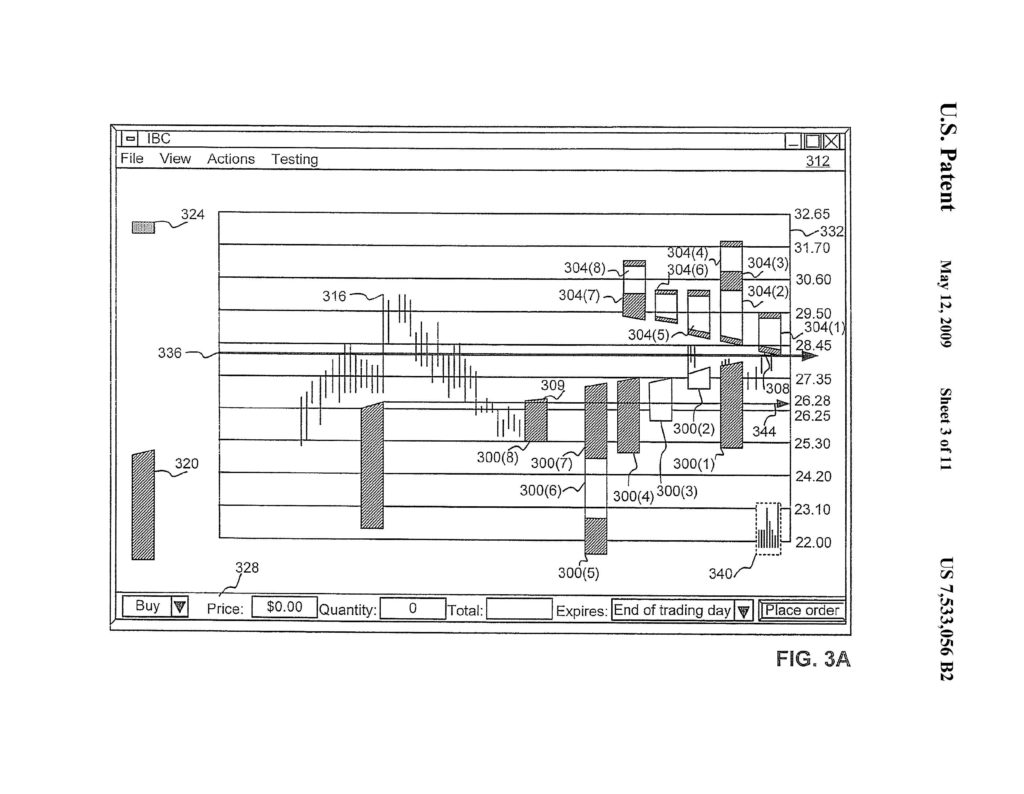
This decision involves Trading Technologies U.S. Patent Nos. 7,533,056; 7,212,999; and 7,904,374 covering graphical user interfaces for electronic trading.
U.S. Patent Nos. 7,533,056 and 7,212,999 disclose a user interface for an electronic trading system that allows a re-mote trader to view trends in the orders for an item, and provides the trading information in an easy to see and interpret graphical format.  U.S. Patent No. 7,904,374 discloses a display and trading method to ensure fast and accurate execution of trades by displaying market depth on a vertical or horizontal plane, which fluctuates logically up or down, left or right across the plane as the market prices fluctuate.

Claim 1 of U.S. Patent No. 7,212,999 is representative and recites:

A computer based method for facilitating…

Read More
ChargePOINT, INC. v. SemaCONNECT, INC., FEDERAL CIRCUIT 2019 (SOFTWARE PATENTS)

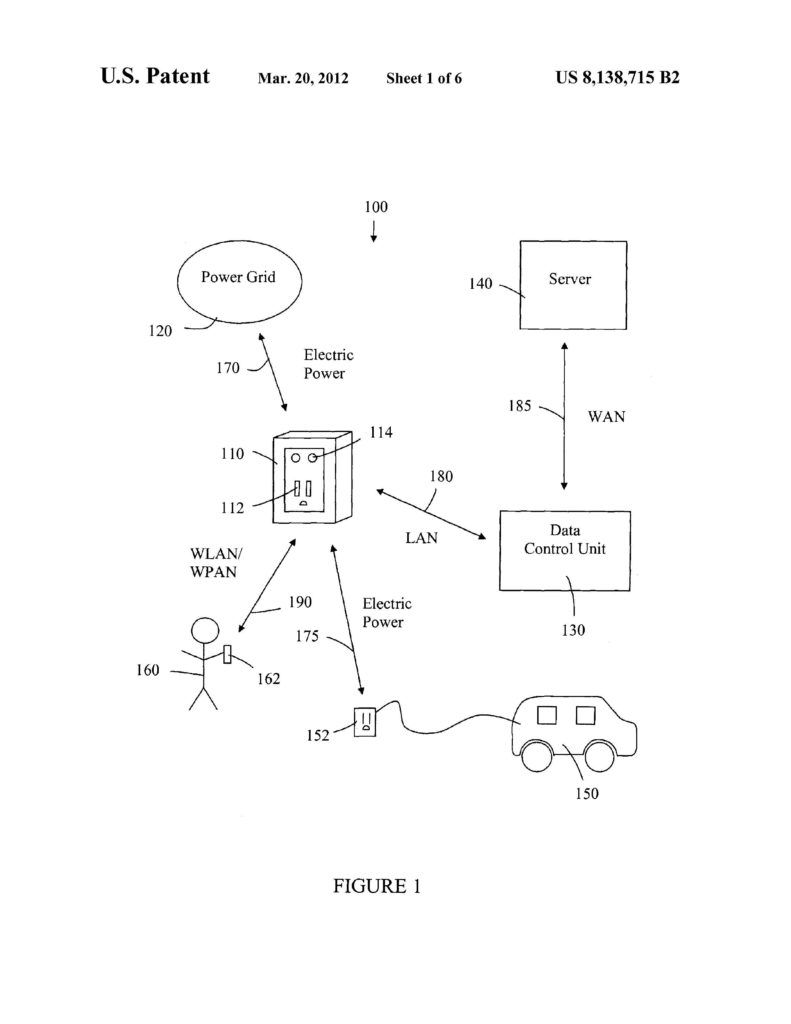
This is a software patent decision in which the court ignored a substantial amount of hardware in the patent claim and found that the claim was directed to an abstract idea and therefore invalid.  In the Alice Supreme Court decision, the main issue was whether the patentee took a well known financial method and merely automated it on a computer.  In most post-Alice decisions, the computer was largely ignored in determining whether the claim was directed to an abstract idea and therefore unpatentable under 35 U.S.C. 101, unless there was an improvement in operation of the computer.
The ChargePOINT case relates to U.S. Patent No. 8,138,715; 8,432,131; 8,450,967; and 7,956,570 for charging stations for electric vehicles. The battery…

Read More
ANCORA TECHNOLOGIES, INC., v. HTC AMERICA, INC., HTC CORPORATION, FEDERAL CIRCUIT 2018 (SOFTWARE PATENTS))
Ancora Technologies, Inc.’s U.S. Patent 6,411,941 is entitled “Method of Restricting Software Operation Within a License Limitation.”  The patent describes and claims methods of limiting a computer’s running of software not authorized for that computer to run.

Ancora brought this action against HTC America and HTC Corporation alleging infringement of the patent.  HTC moved to dismiss on the ground that the patent’s claims are invalid because their subject matter is ineligible for patenting under 35 U.S.C § 101.  The district court granted HTC’s motion to dismiss, concluding that the claims are directed to, and ultimately claim no more than, an abstract idea.

Claim 1 is representative and recites:

1.  A method of restricting software operation within a license for use with a computer including
an erasable, non-volatile memory area of a…

Read More
Berkheimer v. HP, Federal Circuit 2018 (Software Patents)

Mr. Berheimer sued HP.  HP moved for summary judgment that claims 1–7 and 9 of U.S. Patent No. 7,447,713 are patent ineligible under 35 U.S.C. § 101, and the district court granted the motion.
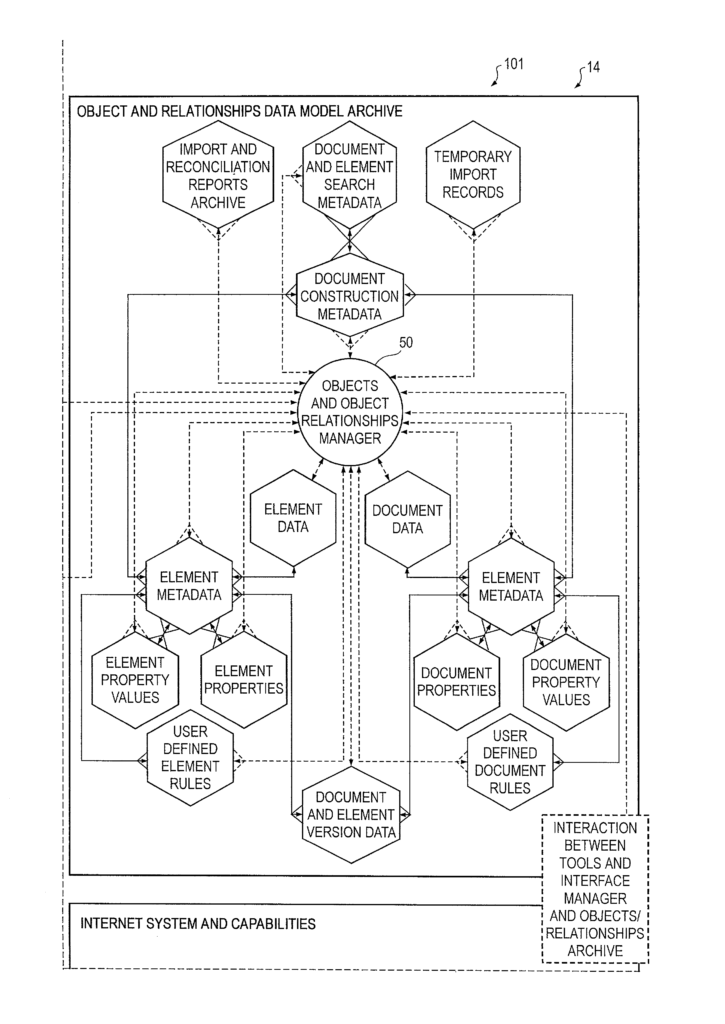
The patent relates to digitally processing and archiving files in a digital asset management system.  The system parses files into multiple objects and tags the objects to create relationships between them. These objects are analyzed and compared, either manually or automatically, to archived objects to determine whether variations exist based on predetermined standards and rules. This system eliminates redundant storage of common text and graphical elements, which improves system operating efficiency and reduces storage costs. The relationships between the objects within the archive allow a user to…

Read More
Core Wireless Licensing v. LG Electronics Mobilecomm, Federal Circuit 2018 (Software Patents)

In this case, LG Electronics appealed from a district court decision denying summary judgement that claims 8 and 9 of a software patent, No. 8,713,476 and claims 11 and 13 of another software patent, No. 8,434,020 are directed to patent ineligible subject matter under 35 U.S.C. § 101.
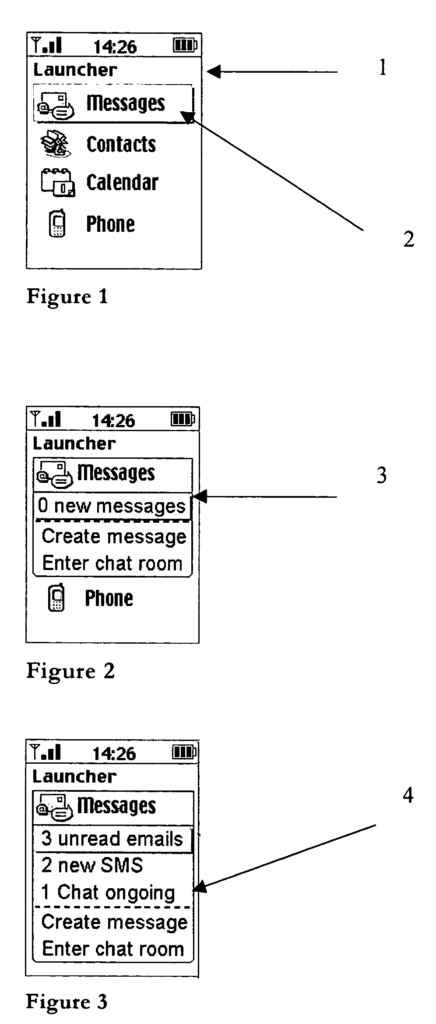
The patents disclose improved display interfaces for electronic devices with small screens like mobile telephones. An application summary window is displayed while a software application is in an unlaunched state.

Claims 8 and 9 of the ’476 software patent depend from claim 1, which recites:
1. A computing device comprising a display screen, the computing device being configured to display on the screen a menu listing one or more applications, and additionally being configured…

Read More
Finjan Inc., v. Blue Coat Systems, Inc., Federal Circuit 2018 (Software Patents)

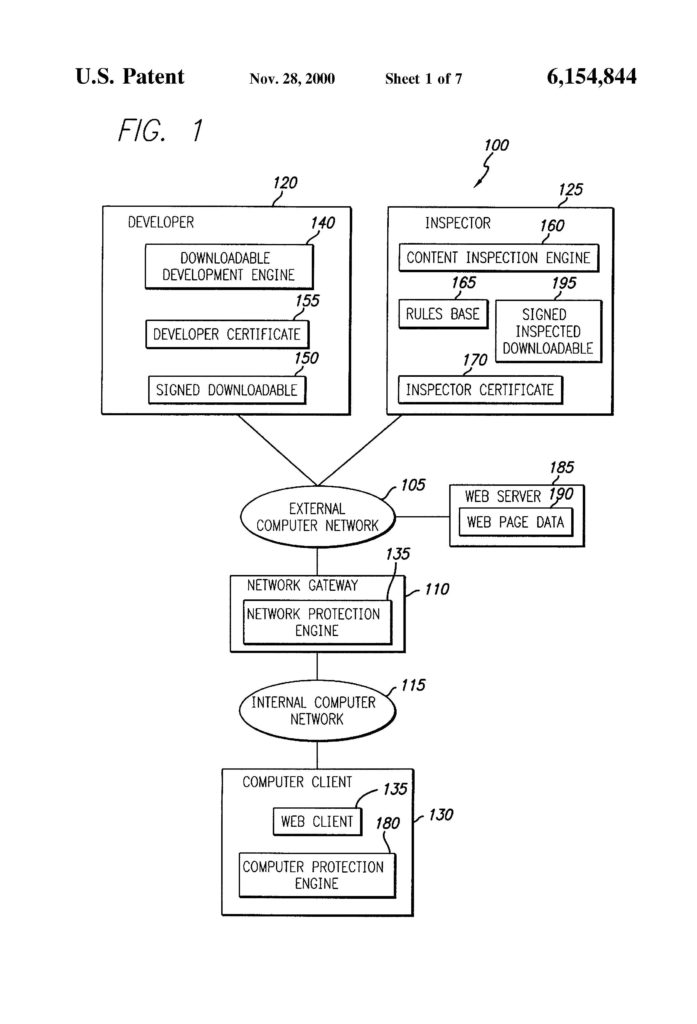
Finjan brought suit against Blue Coat for infringement of software patents directed to identifying and protecting against malware.  One of the software patents is directed to a method of providing computer security by scanning a downloadable and attaching the results of that scan to the downloadable itself in the form of a “security profile.”
Claim 1 of the patent reads:

1. A method comprising:

  • receiving by an inspector a Downloadable;
  • generating by the inspector a first Downloadable security profile that identifies suspicious code in the received Downloadable; and
  • linking by the inspector the first Downloadable security profile to the Downloadable before a web server makes the Downloadable available to web clients.

The parties agreed that “Downloadable” should be construed to mean “an executable…

Read More
Smart Systems Innovations v. Chicago Transit Authority, Federal Circuit 2017 (Software Patents)

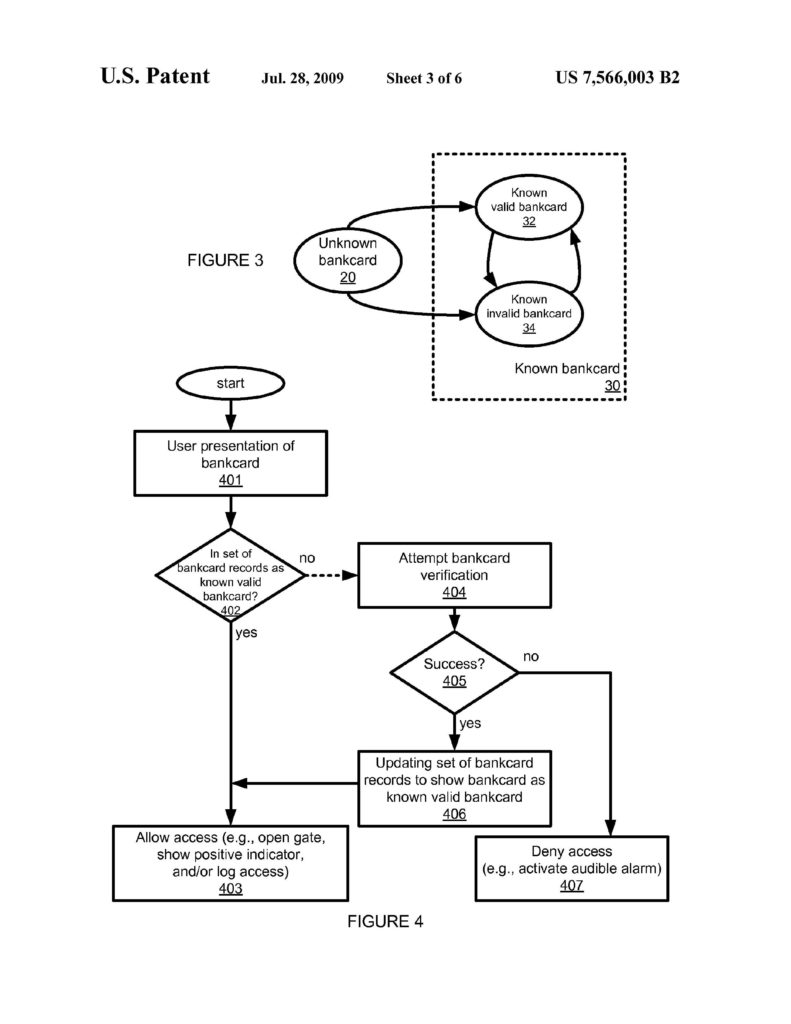
The software patents in this case relate to inventions designed to allow riders to access mass transit by using existing bankcards, such as debit and credit cards, without the need for first buying dedicated fare-cards, paper tickets, or tokens.  The District Court had held that the patent claims are directed to an abstract idea and otherwise lack an inventive concept, such that they are patent ineligible under 35 U.S.C. § 101.On appeal, the Federal Circuit noted that they needed to use the framework set forth in the Supreme Court’s decision in Alice Corp. Pty Ltd. v. CLS Bank International. A patent claim falls outside § 101 where (1) it is “directed to” a patent-ineligible concept, i.e., a law of…

Read More
Visual Memory LLC v. NVIDIA Corp., Federal Circuit 2017 (Software Patents)

This case concerned an appeal from a district court case which held that Visual Memory’s U.S. Patent No. 5.953,740 was drawn to patent-ineligible subject matter.

The patent teaches that computer systems frequently use a three-tiered memory hierarchy to enhance performance. The three tiers include: 1) a low-cost, low speed memory, such as a magnetic disk, for bulk storage of data; 2) a medium-speed memory that serves as the main memory; and 3) an expensive, high-speed memory that acts as a processor cache memory. Because the cache memory is the most expensive, it is typically smaller than the main memory and cannot always store all the data required by the processor. The memory hierarchy alleviates the limitations imposed by the cache’s size…

Read More