
CAREDX, INC. V. NATERA, INC., FEDERAL CIRCUIT 2022 (SOFTWARE PATENTS)
The Federal Circuit stated in this decision that CareDx’s patents apply conventional measurement techniques to detect a natural phenomenon—the level of donor cfDNA and the likelihood of organ transplant rejection.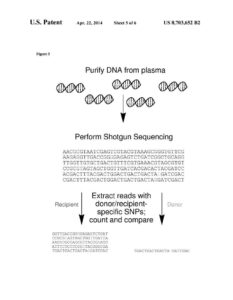
CareDx and Stanford appealed a decision holding that Stanford’s Patents 8,703,652, 9,845,497, and 10,329,607 are ineligible for patent under 35 U.S.C. § 101. The three patents share the same specification and are entitled “Non-Invasive Diagnosis of Graft Rejection in Organ Transplant Patients.” These patents discuss diagnosing or predicting organ transplant status by using methods to detect a donor’s cell-free DNA (“cfDNA”). When an organ
transplant is rejected, the recipient’s body, through its natural immune response, destroys the donor cells, thus releasing cfDNA from the donated organ’s dying cells…
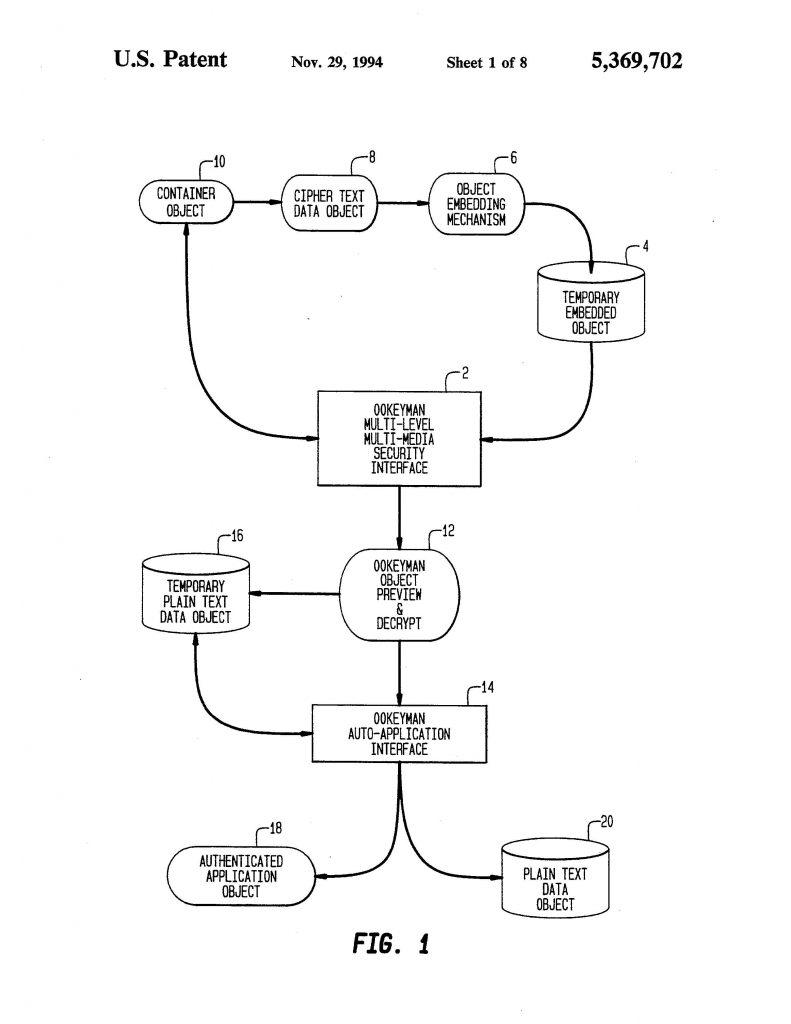 Multilevel security claims were patent eligible because they were directed to solving a technical problem specific to computer network security. The district court correctly rejected Adobe’s ineligibility challenge.
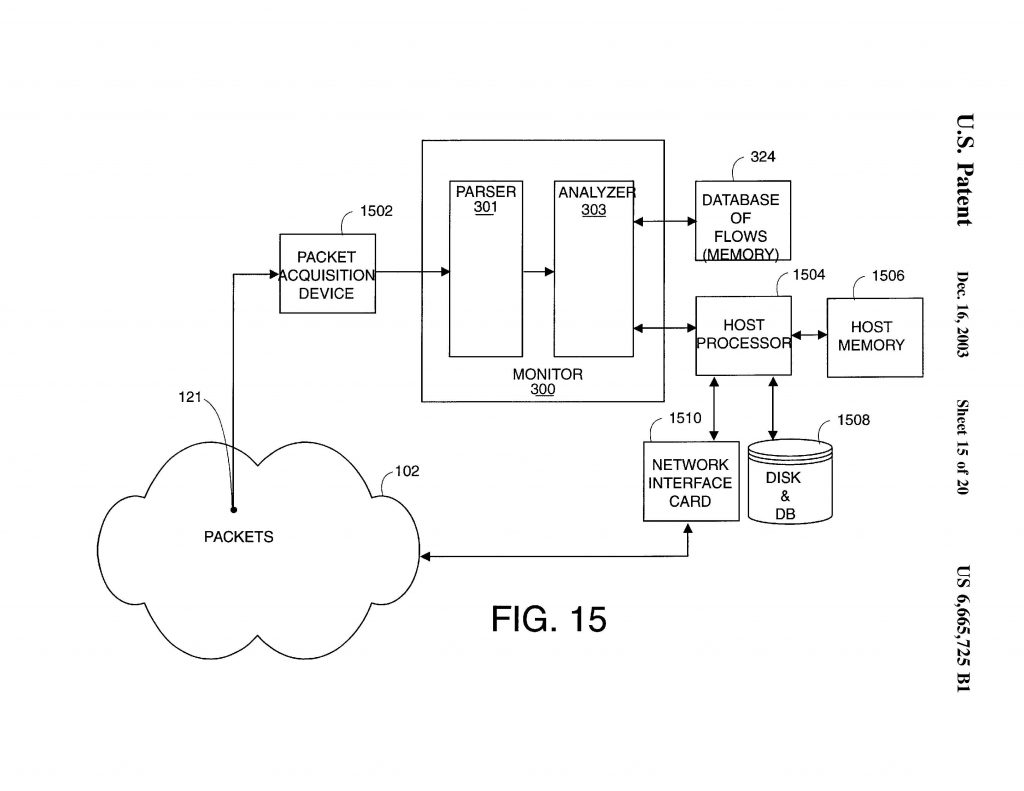 NetScout Systems appealed from a judgment of the U.S. District Court for the Eastern District of Texas which held that NetScout willfully infringed various claims of U.S. Patent No. 6,665,725; 6,839,751; and 6,954,789 and held that the claims were valid under 35 U.S.C. §101.